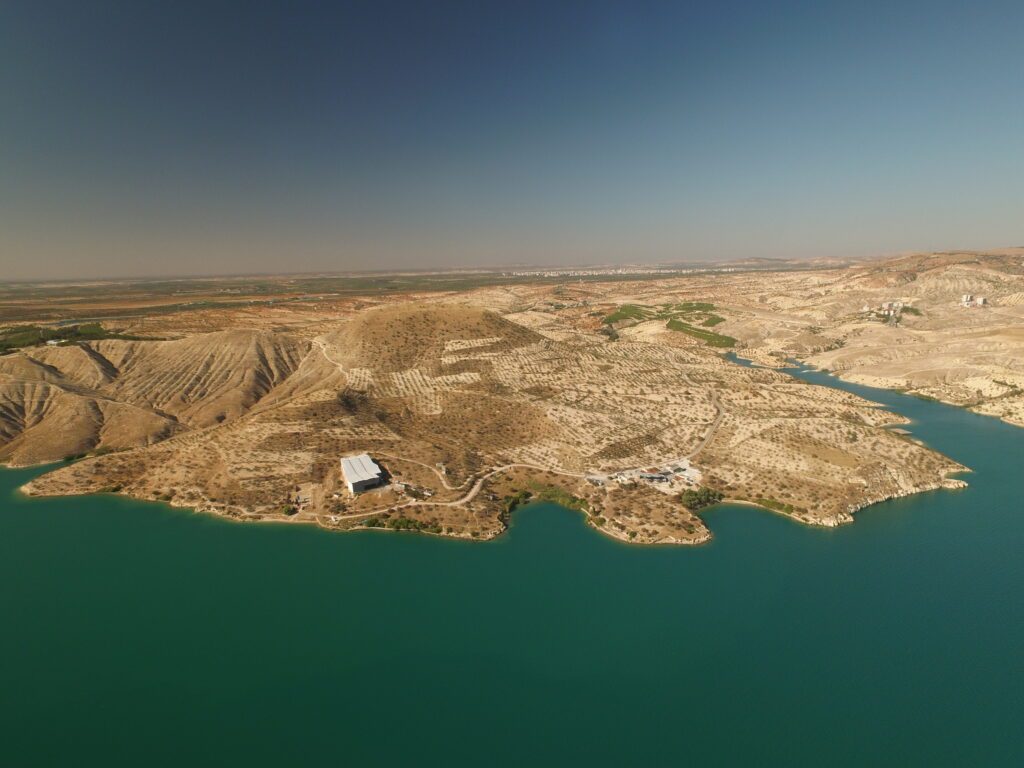
Located in southeastern Türkiye, near the modern city of Gaziantep, Zeugma is one of the most remarkable ancient cities on the western bank of the Euphrates River. Although the site has been known since the eighteenth century, it attracted international attention during the construction of the Birecik Dam in the late 1990s. Extensive rescue excavations, supported by national and international institutions, including the Ministry of Culture and Tourism and the Packard Humanities Institute, uncovered exceptionally well-preserved residences belonging to the city’s Roman-period elite. Decorated with elaborate mosaics and wall paintings, these houses have brought Zeugma international recognition. Many of the discoveries are now exhibited in the Zeugma Mosaic Museum and the Gaziantep Archaeological Museum.
Since 2005, archaeological excavations and research at Zeugma have been directed by Prof. Dr. Kutalmış Görkay. Zeugma received the Presidential Grand Award for Culture and Arts from the Republic of Türkiye in 2012 and was inscribed on the UNESCO World Heritage Tentative List in the same year.
Archaeological investigations continue across the city’s residential quarters, necropolises, and sacred spaces. Situated on the eastern frontier of the Roman Empire and associated with the presence of two Roman legions, Zeugma occupied a strategically important position as both a military centre and a thriving commercial hub. Its archaeological remains reflect a distinctive multicultural environment shaped by interactions among local Semitic, Macedonian, Greek, and Roman traditions.
The destruction of the city during the Sasanian invasion of AD 253 resulted in the remarkable preservation of several richly decorated elite residences, including their mosaic pavements, wall paintings, architectural features, and domestic assemblages. These discoveries provide exceptional insights into the daily lives, social identities, and cultural practices of Zeugma’s inhabitants. In particular, the research explores the organisation and use of domestic space, patterns of elite self-representation, and the interaction of different cultural traditions within the private sphere of a prosperous frontier city.
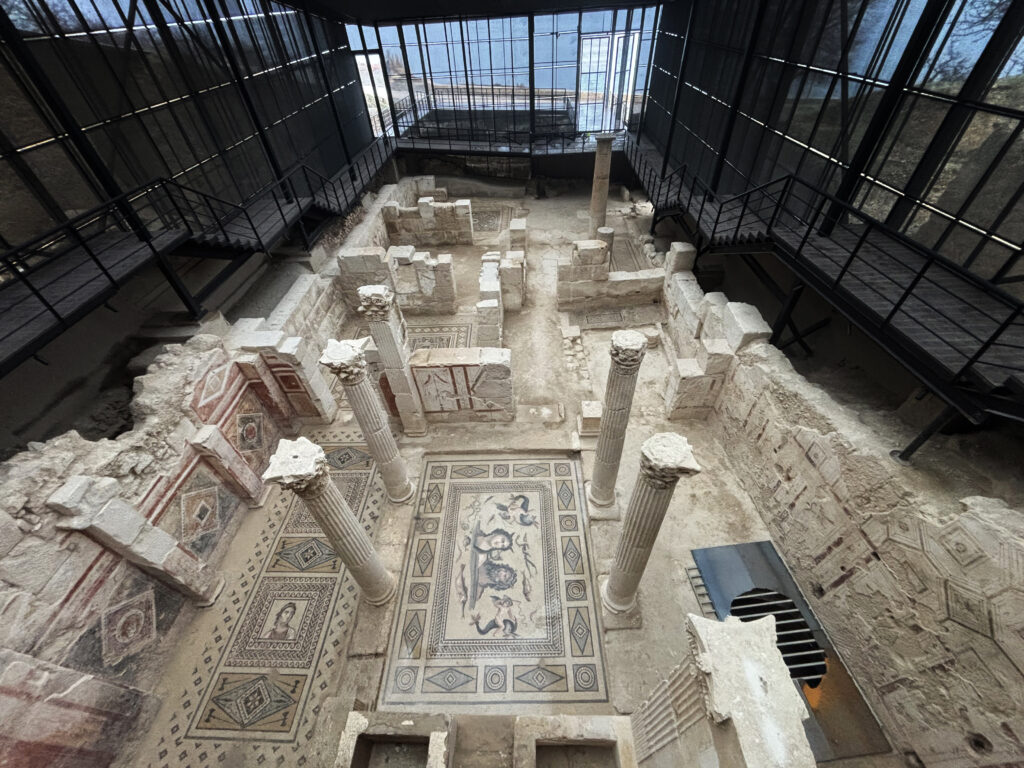
The ongoing Zeugma Archaeological Research Project focuses on the excavation of two substantial residential complexes situated along one of the city’s principal streets, together with the documentation, conservation, and reassessment of previously excavated buildings and archaeological finds. Through an integrated programme of fieldwork, conservation, scientific analysis, and publication, the project seeks to advance our understanding of Zeugma’s urban development, domestic architecture, social history, and cultural landscape within the wider context of the Roman East.
The project is supported by the Republic of Türkiye Ministry of Culture and Tourism, Gaziantep Governorship, Gaziantep Metropolitan Municipality, Türkiye İş Bankası, and Bilkent University.