Welcome to the Department of Archaeology at Bilkent University
Our Department of Archaeology offers both undergraduate (B.A.) and graduate (M.A.) degrees, providing a comprehensive education in the interdisciplinary archaeology of Anatolia and western Asia.
The department’s core curriculum includes period-specific courses covering the Palaeolithic through Medieval periods, and combines them with specialist classes on archaeological theory, digital humanities, materials studies, fieldwork methodologies, and public archaeology. Our team of specialists, who are all active researchers, help students explore the material remains of the many peoples that have populated and passed through this dynamic geography, providing a stimulating insight into how we continue to learn about and interpret the past.
Students are offered hands-on experience through fieldwork internships and lab-based studies, and our comprehensive approach to archaeology and its complementary disciplines in the humanities, social and natural sciences ensures that our graduates are well prepared for the world of modern archaeological practice.
Small class sizes offer students a warm sense of community, an ideal environment for learning and self-development.
Follow us on social media
Bilkent University Archaeology Department Visits the Konya Plain
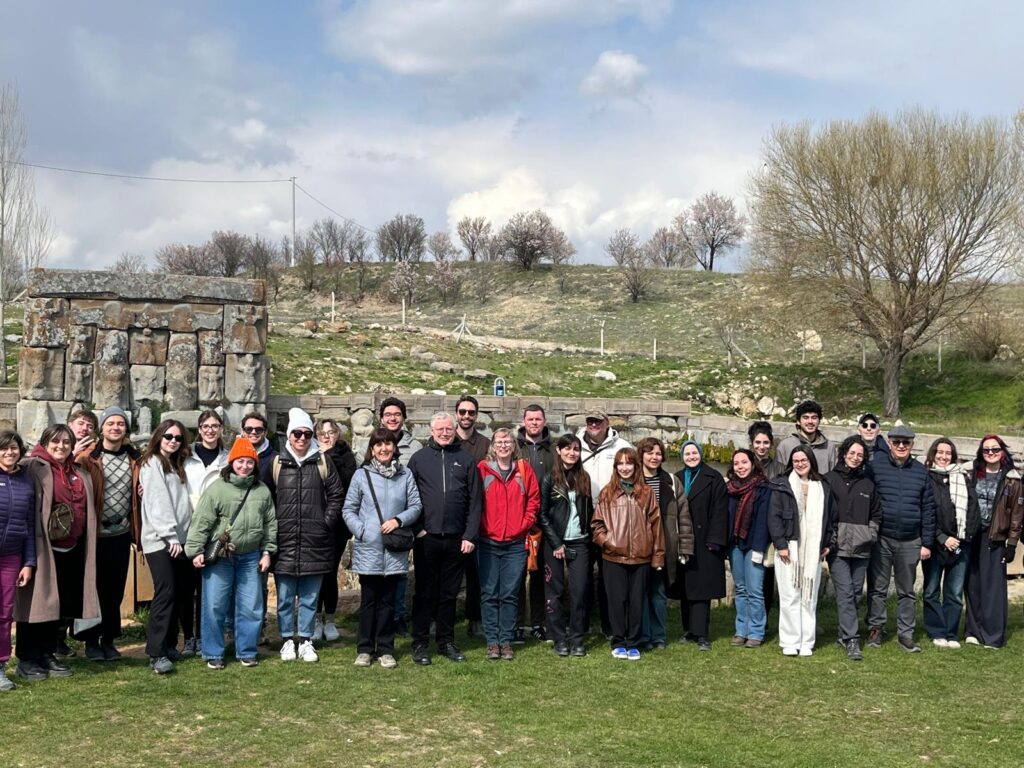
On the 11th-12th of April 2026, Bilkent University’s Department of Archaeology organised a weekend field trip to major archaeological sites in the Konya region, joined by students, faculty, Rector Kürşat Aydoğan, and Dean Simon Wigley.
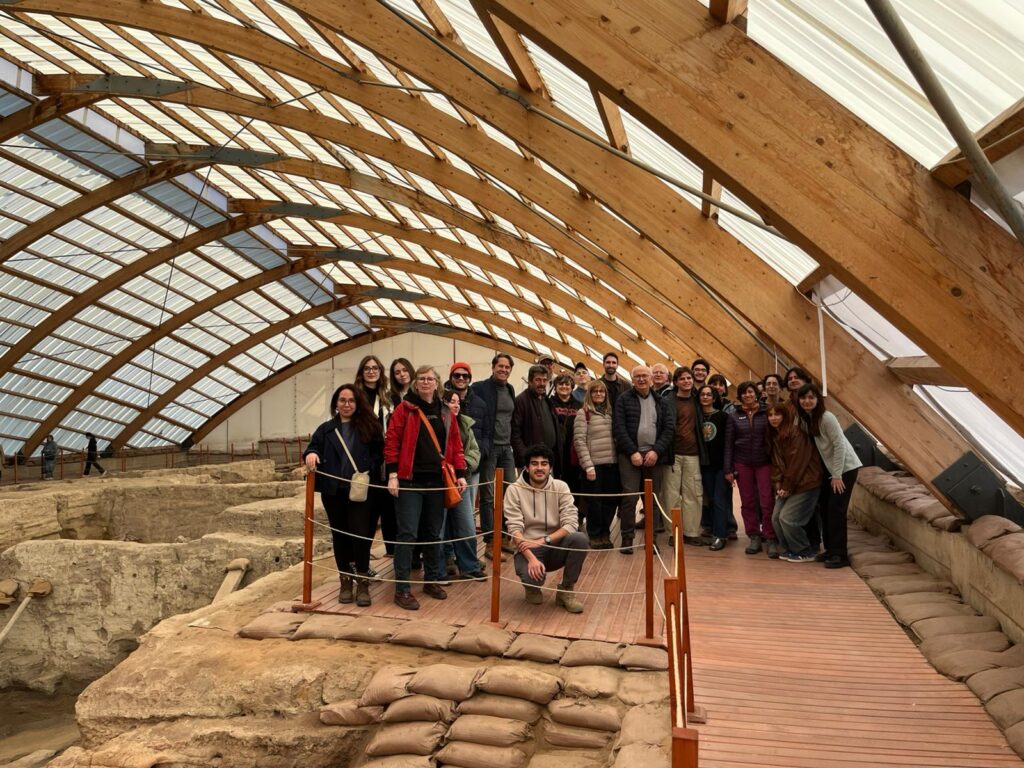
The tour explored the Konya Plain’s globally significant mound sites; beginning with Çatalhöyük, a major Neolithic site known for its roof-entry houses, wall art, and figurines, followed by Boncuklu Höyük, an earlier village site offering insight into early farming and domestication. Assoc. Prof. Dr Emma Baysal provided expert context on both sites. The group also visited Türkmen-Karahöyük, a major Bilkent-led excavation co-directed by Assoc. Prof. Dr Michele Massa, which promises new discoveries about Bronze Age and Hittite occupation in the Konya Plain.
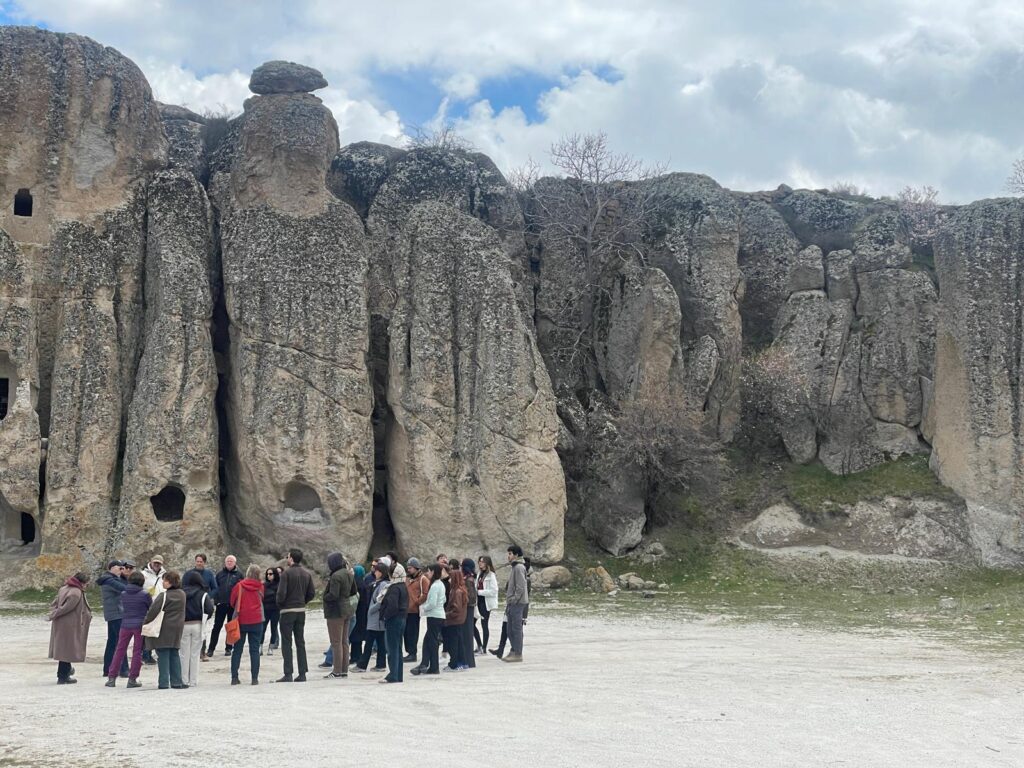
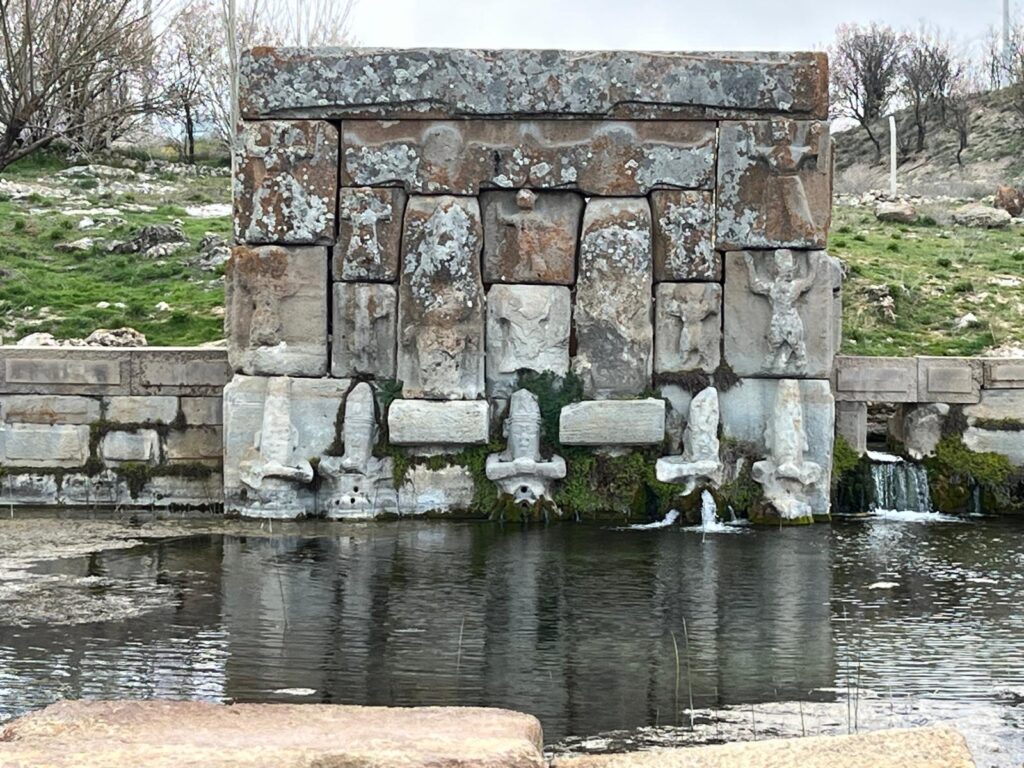
On the second day, participants explored Kilistra, a late Roman and Byzantine rock-cut settlement, examining its churches, dwellings, and rural adaptation. The final stop was Elfatunpınar, a Hittite sacred spring monument marking an ancient territorial boundary. Students concluded the trip by performing a Hittite purification ritual, ending an academically rich exploration of Anatolia’s deep past
New Newsletter

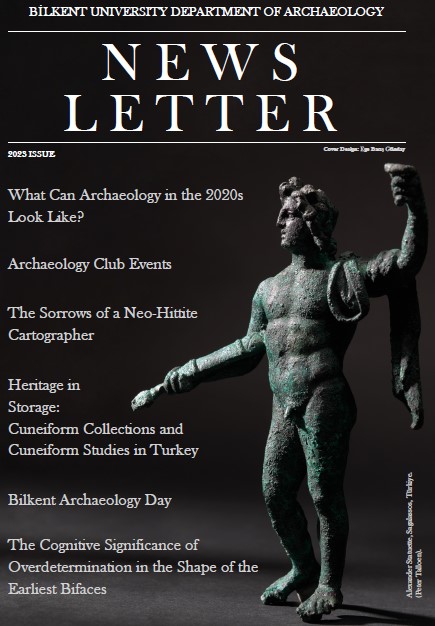
Newsletter 2023
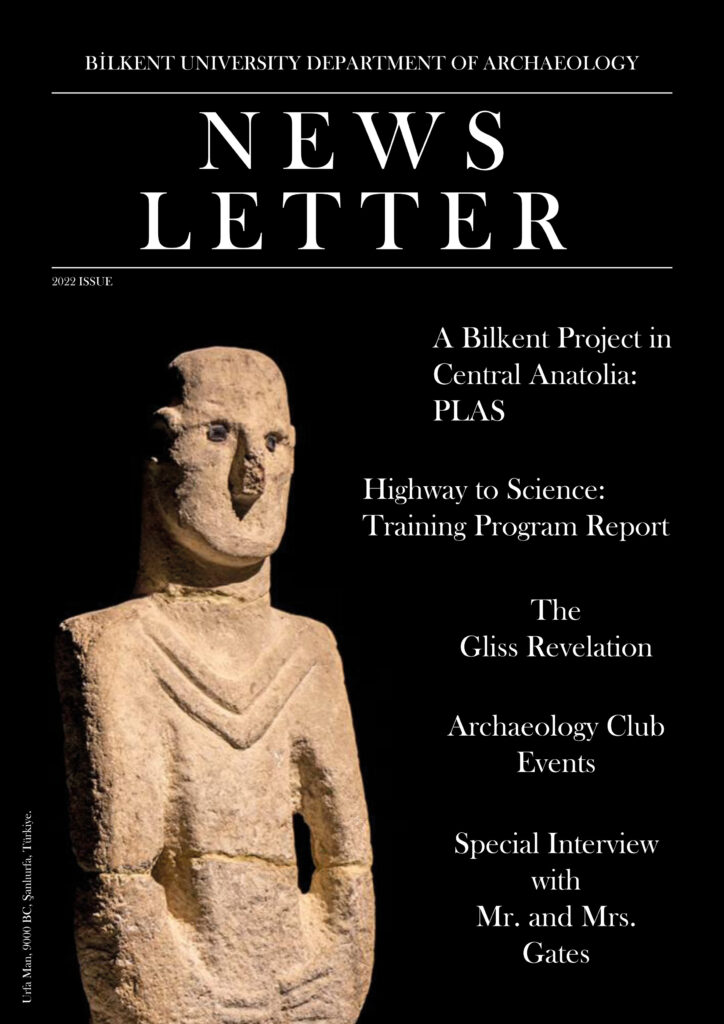
Newsletter 2022
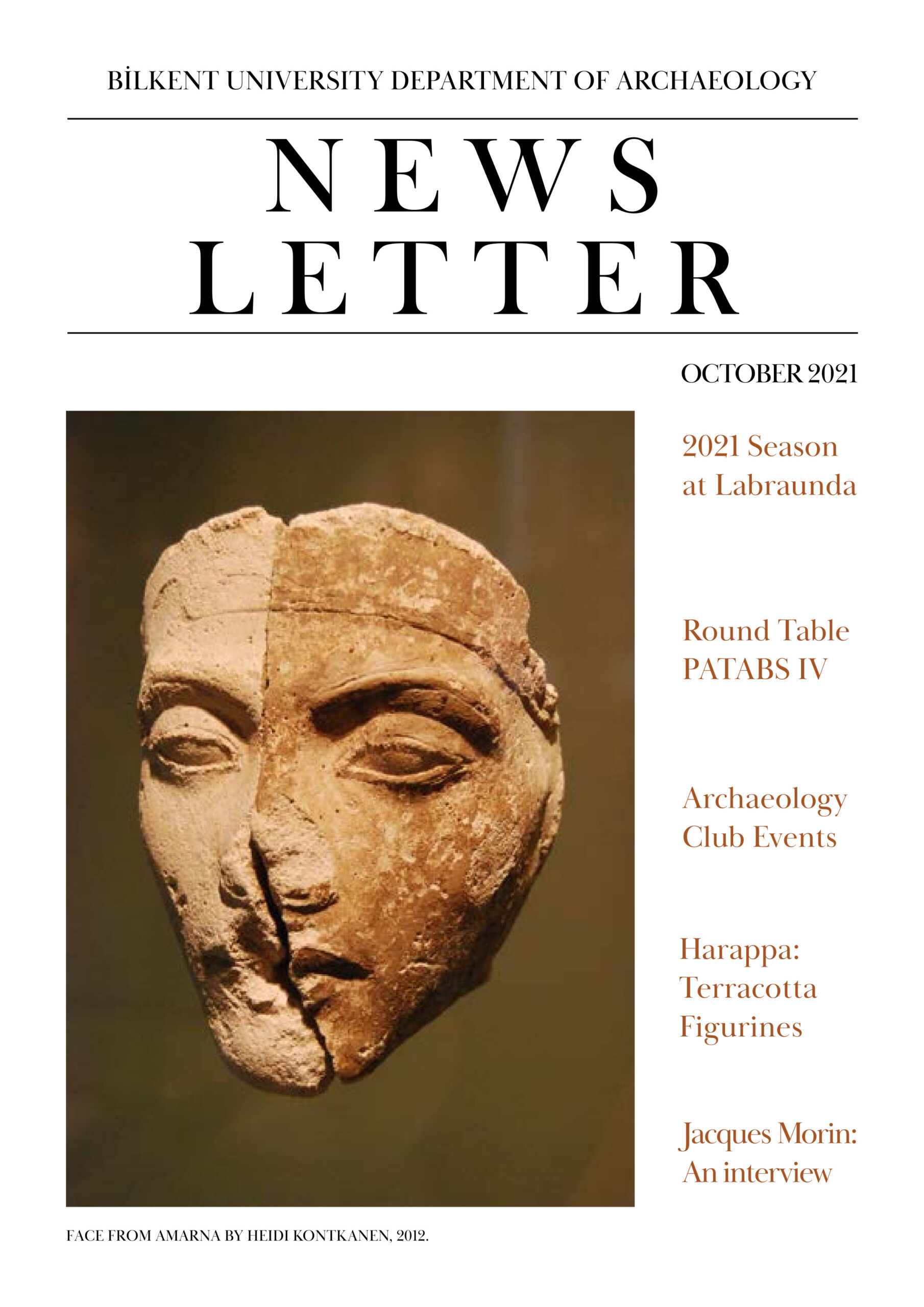
Newsletter 2021